3d element3d element
Spatial & AR Apps

Spatial & AR Apps Built for the Real World — Not the Demo Room

AR features, spatial computing experiences, and Vision Pro apps that layer digital intelligence onto the real world — engineered to hold up under bad lighting, cluttered environments, and users who won't read an onboarding screen.

Tools & Technologies

  • ARKit
  • ARCore
  • RealityKit
  • visionOS
  • WebXR
  • Unity
  • SceneKit
  • LiDAR

Custom Spatial & AR Apps We Have Built

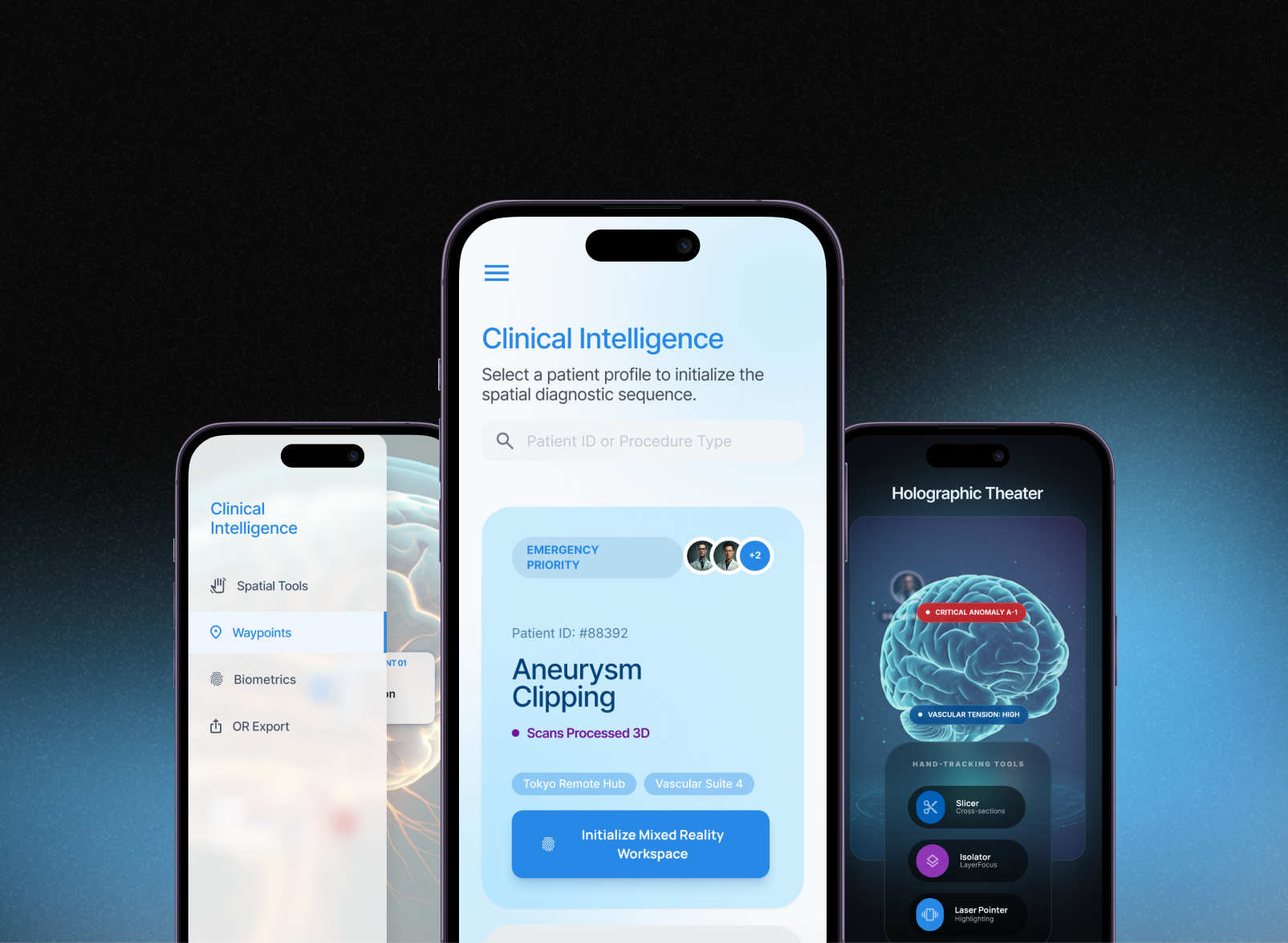
Synapse Surgical Planning

Synapse Surgical Planning

Mixed reality surgical planning tool for medical professionals — renders patient-specific DICOM imaging data as manipulable 3D anatomical models overlaid in the surgeon's field of view via HoloLens. Haptic feedback simulates tissue resistance during pre-operative planning, reducing time in theatre and improving procedure confidence.

MixedRealityWebXRDICOMHapticsHoloLens
Lumen Remote Maintenance

Lumen Remote Maintenance

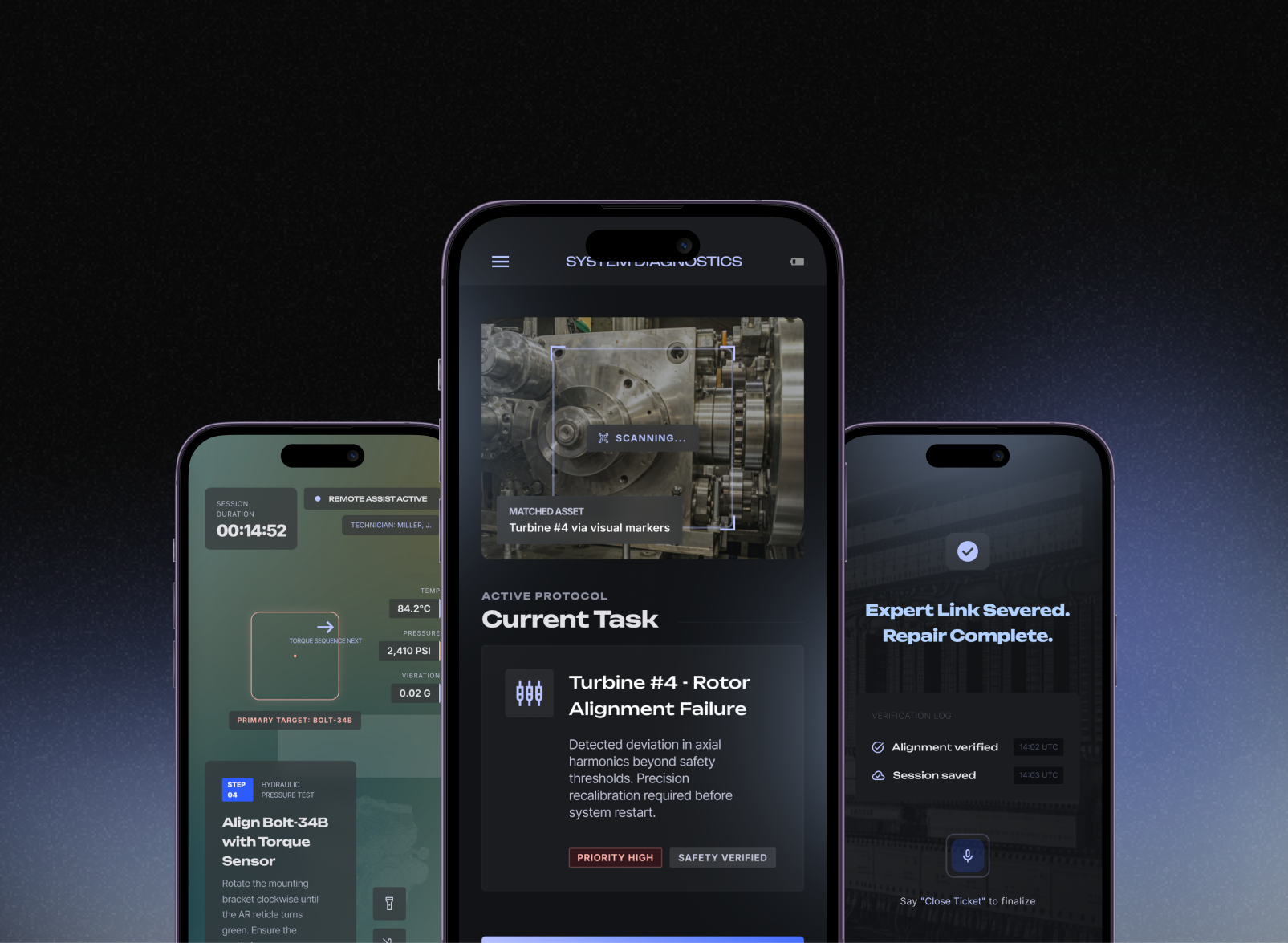
Enterprise AR platform for industrial field service — a junior technician wearing an AR headset sees live visual guidance from a remote senior engineer overlaid directly onto the machinery in front of them. LiDAR-based spatial anchoring keeps annotations locked to physical components even as the technician moves, and WebRTC handles the low-latency video link that makes real-time instruction possible.

ARKitLiDARWebRTCComputerVisionSpatialAnchors
Spellbound

Spellbound

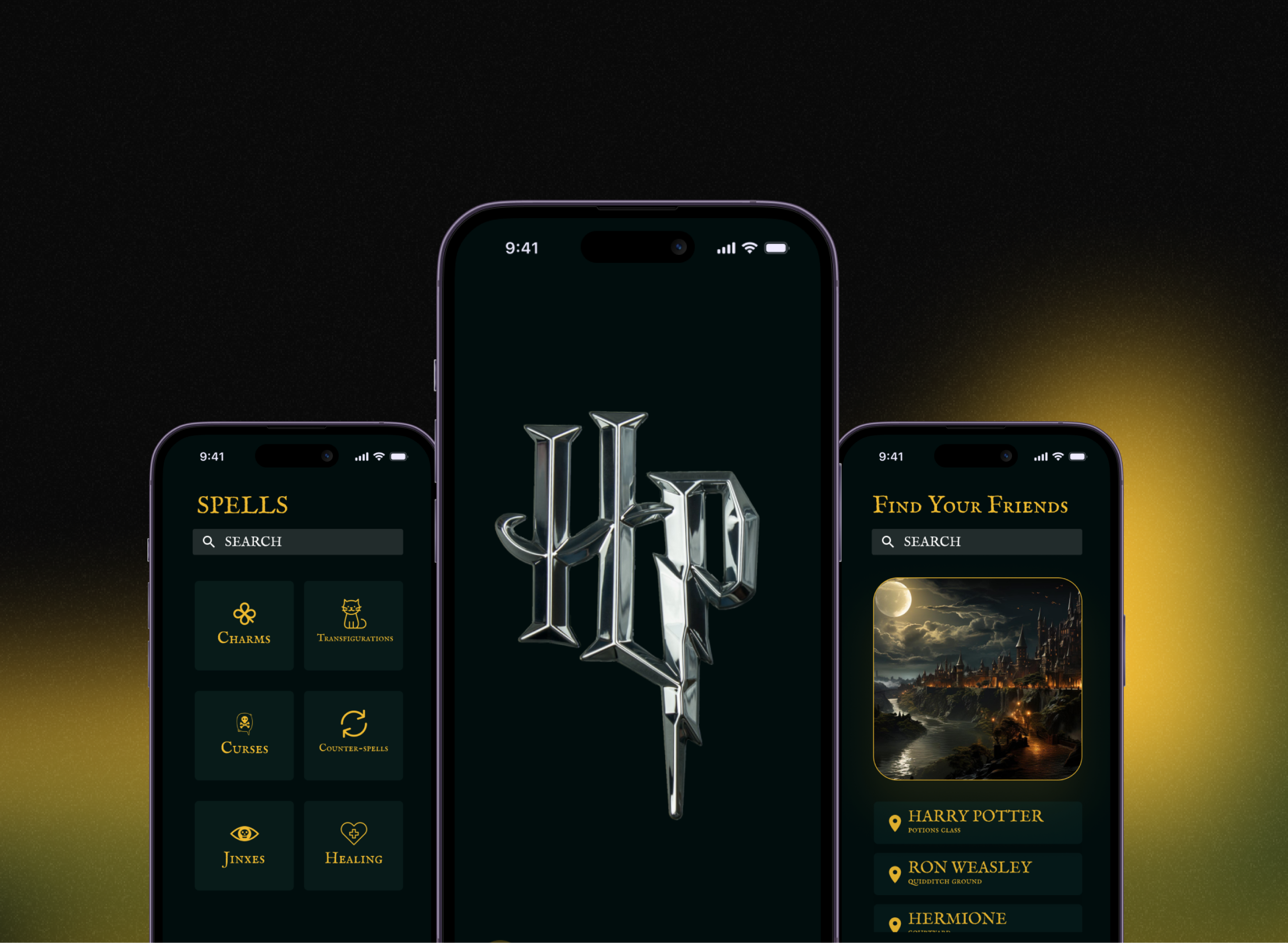
Consumer AR experience for a passionate fan community — uses ARKit world tracking and RealityKit anchoring to overlay interactive 3D content onto real-world locations via phone camera. Players discover, collect, and cast AR experiences at physical landmarks. Built to run on the iPhone models the majority of the fan base actually owns, not just the latest hardware.

ARKitRealityKitUnityARCoreWorldTracking

Why
Choose Us?

Most AR projects fail at the handoff from demo to deployment. We build for deployment from day one.

Real-world environment engineering, not lab conditions

AR tracking breaks in low light, fails on reflective surfaces, and loses anchors when users move quickly. We test in the environments where your app actually lives — warehouses, hospitals, living rooms, outdoor spaces — and engineer tracking robustness, fallback states, and graceful degradation for every condition we find.

Platform coverage from iPhone to Vision Pro

Mobile AR on iOS and Android covers your current users. visionOS targets where spatial computing is heading. We build on ARKit, ARCore, and RealityKit so your experience runs on the device your users have today and extends to the platforms they'll have tomorrow — without rebuilding from scratch for each one.

Spatial UX that doesn't need a tutorial to use

First-time spatial users don't read instruction screens. We design interaction cues, visual affordances, and onboarding flows that teach the mechanics through use — so users discover what your experience can do by doing it, rather than being told before they start.

Expected
Outcomes

3D Star Asset
01

AR tracking that holds up in the conditions your users are actually in

Not a demo environment with controlled lighting and a flat, texture-rich surface. Real lighting, real clutter, real movement. We profile tracking stability across device tiers and environment types before launch — because an AR experience that loses tracking halfway through is one that gets deleted and not reopened.

02

Performance that runs on the device in your user's pocket, not your office

Spatial computing is compute-intensive. We profile frame rate, thermal load, and battery draw on the device distribution your actual users have — including mid-range handsets — and optimise rendering pipelines until performance is acceptable across the board, not just on a flagship.

03

A second session — and a third

The novelty of AR wears off quickly if there's no underlying reason to return. We design the engagement loop, content discovery mechanics, and return triggers from the start — so session two isn't just curiosity and session three isn't an accident.

04

An architecture that extends to Vision Pro without a full rebuild

visionOS adoption is growing. We structure spatial apps on RealityKit and standard spatial anchoring APIs so your iOS AR experience can be extended to Apple Vision Pro as a meaningful upgrade, not a separate product built from scratch when the client base arrives.

Why App Stop visual
But, Why App Stop?

We Build What Your Audience Needs

App Stop takes ownership of both product thinking and execution. We combine design clarity, engineering discipline, and market context to ship experiences that are fast, usable, and ready to scale.

  1. Backed by User Research
  2. Transparent Delivery Plans
  3. User-Centered Product Decisions
  4. Custom Solutions for Business Goals
  5. Precision-Driven Creative + Engineering

Delivery Model

Our Core Development Expertise

01

Discover

We define the product problem, success metrics, and the delivery track that fits the business.

02

Architect

We shape the technical foundation, delivery milestones, and risk controls before sprint work begins.

03

Build

We execute in focused iterations with demos, QA, instrumentation, and release planning in parallel.

04

Harden

We launch with observability, support, and a practical roadmap for what comes next.

Selected Work

Featured Mobile Apps

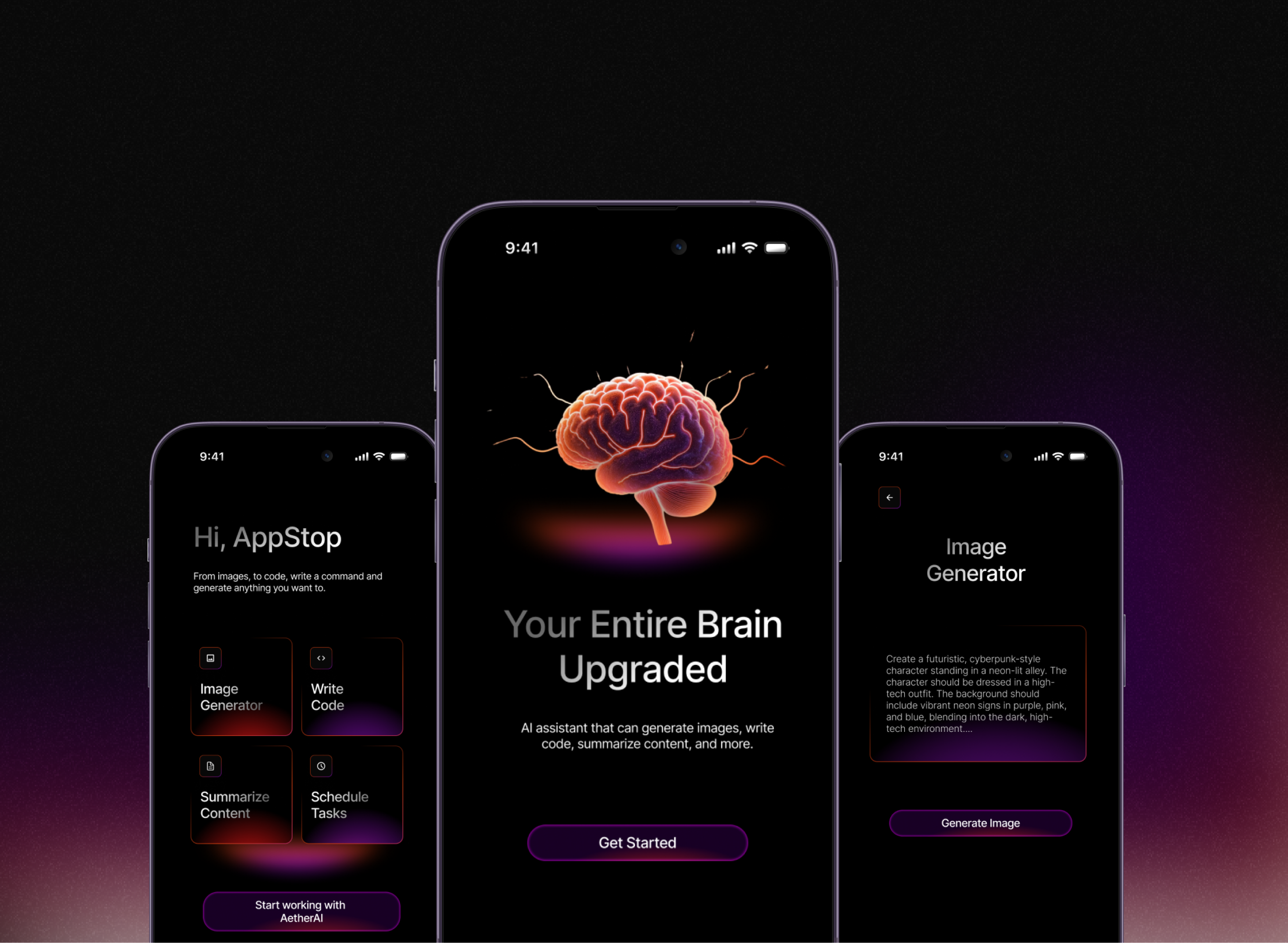
AetherAI - Personal Assistant
Synapse - Surgical Planning
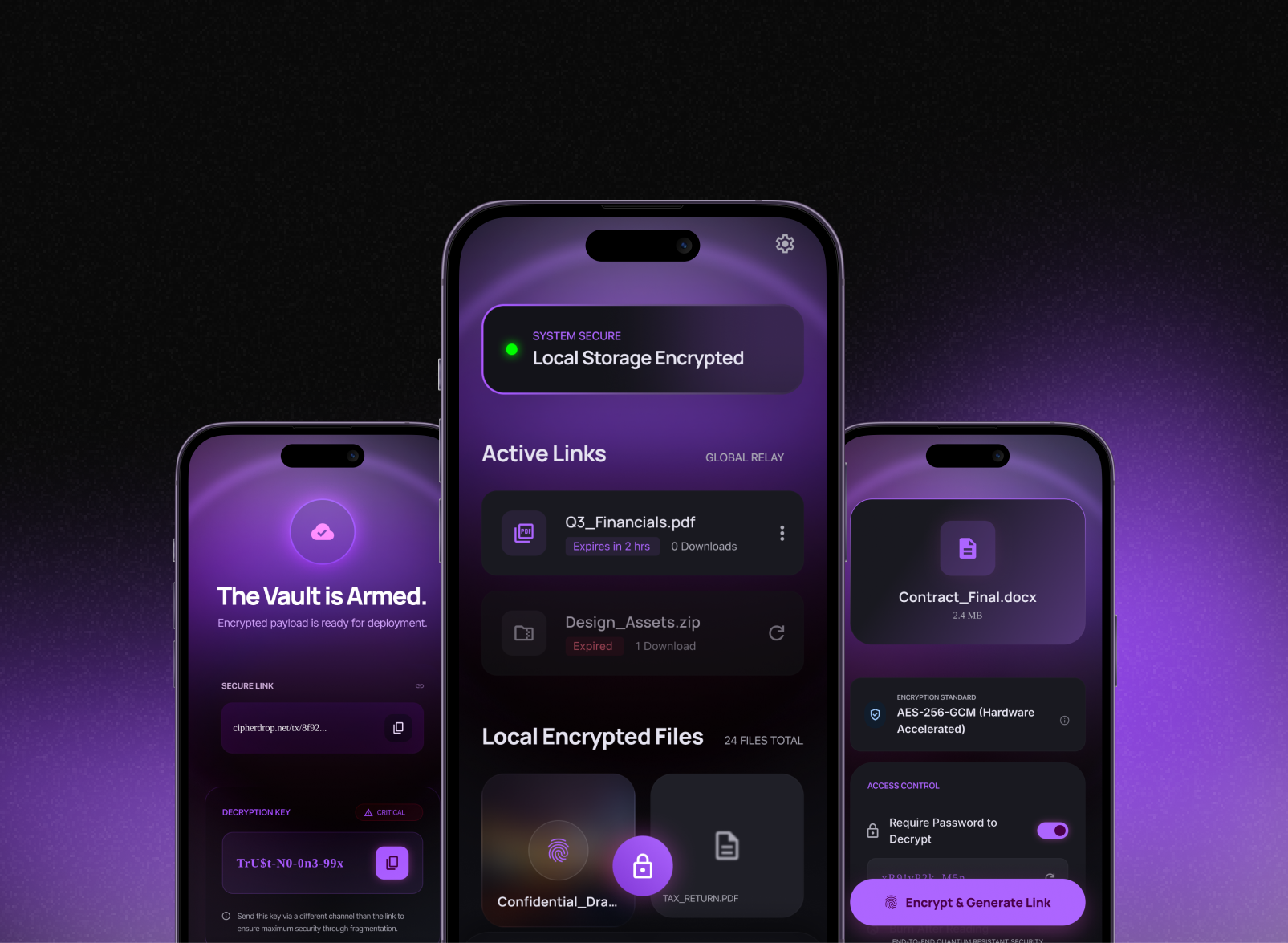
CipherDrop - Encrypted File Sharing
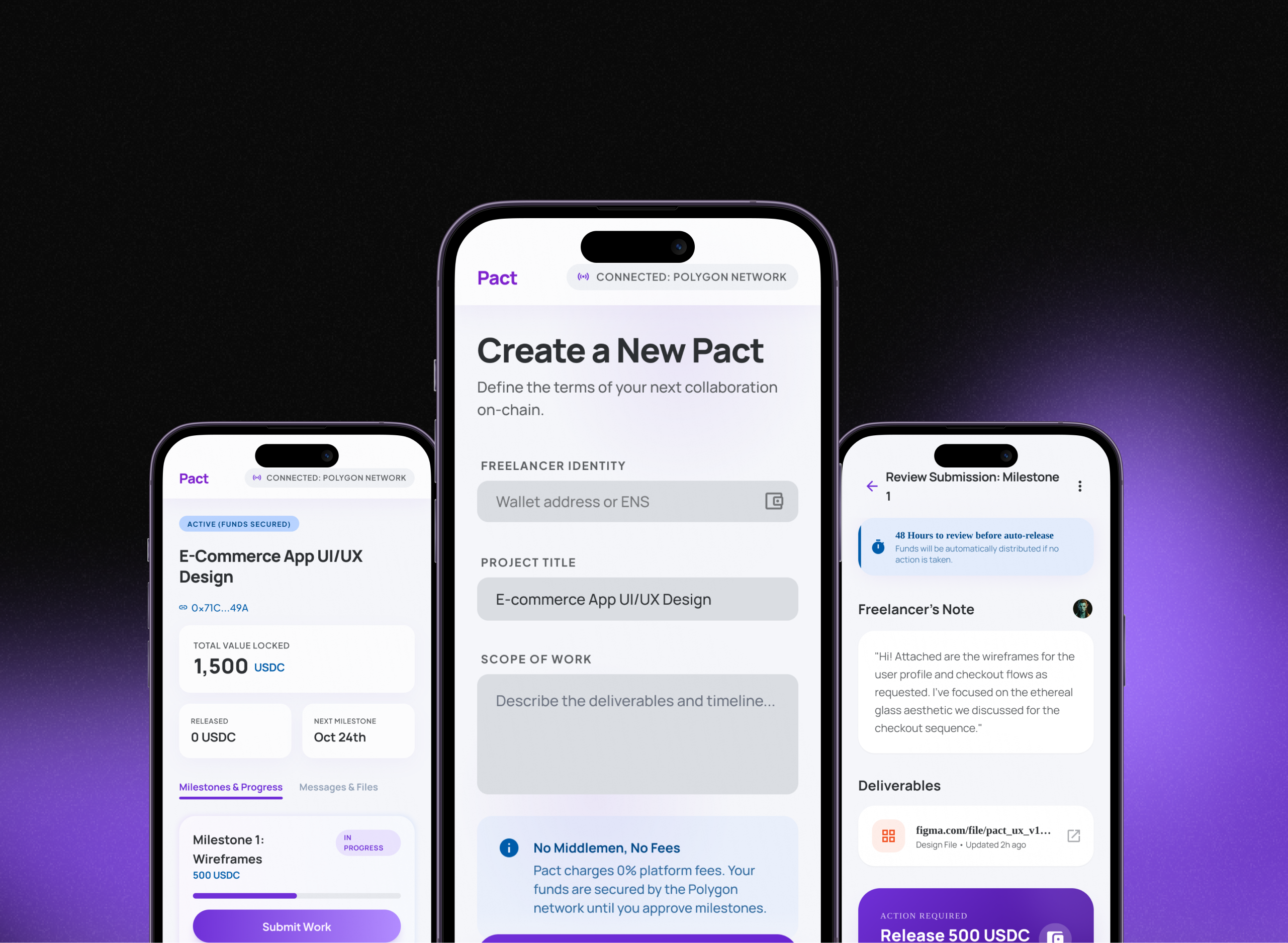
Pact - Freelance Marketplace
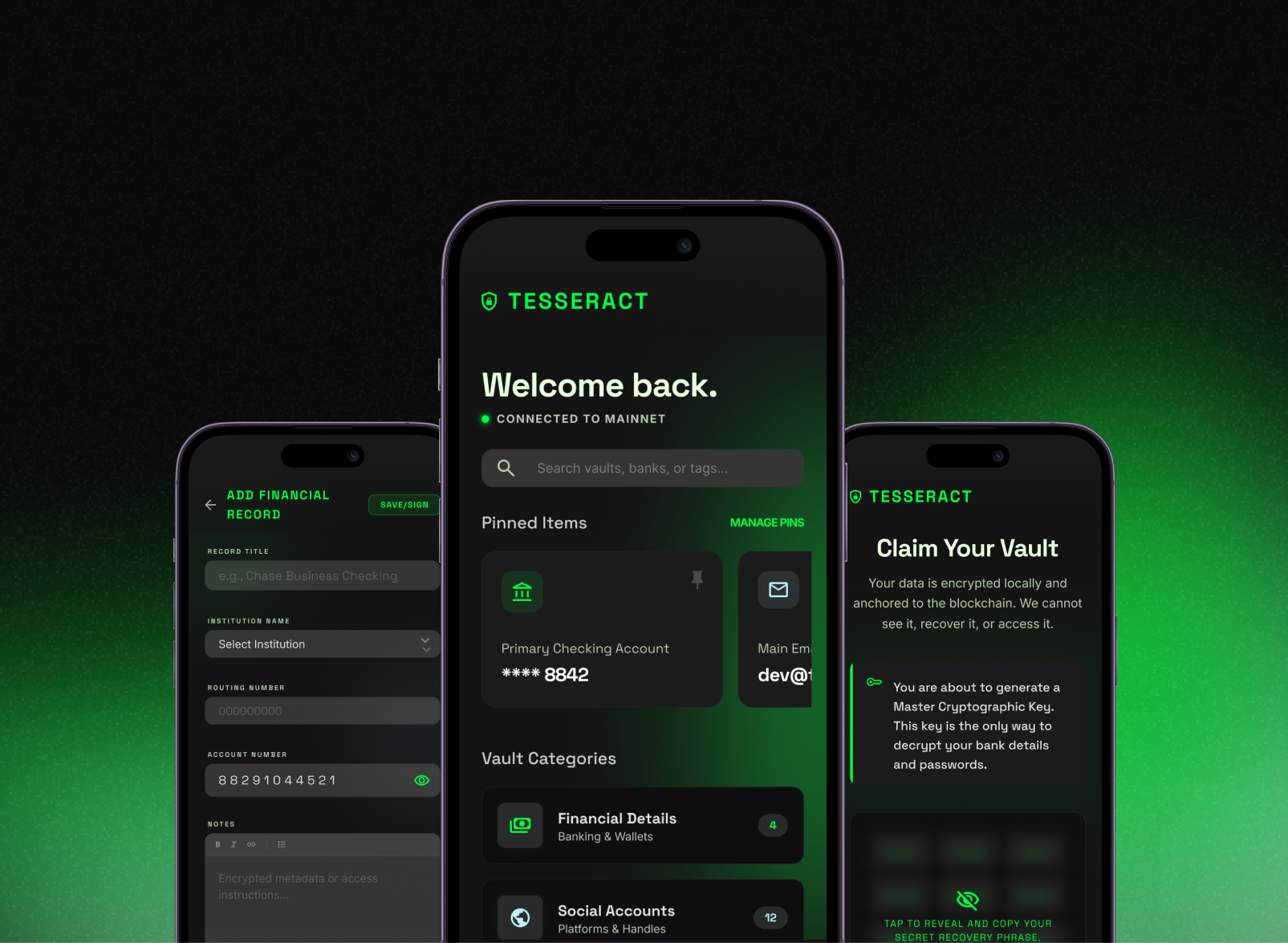
Tesseract - Secure Finance
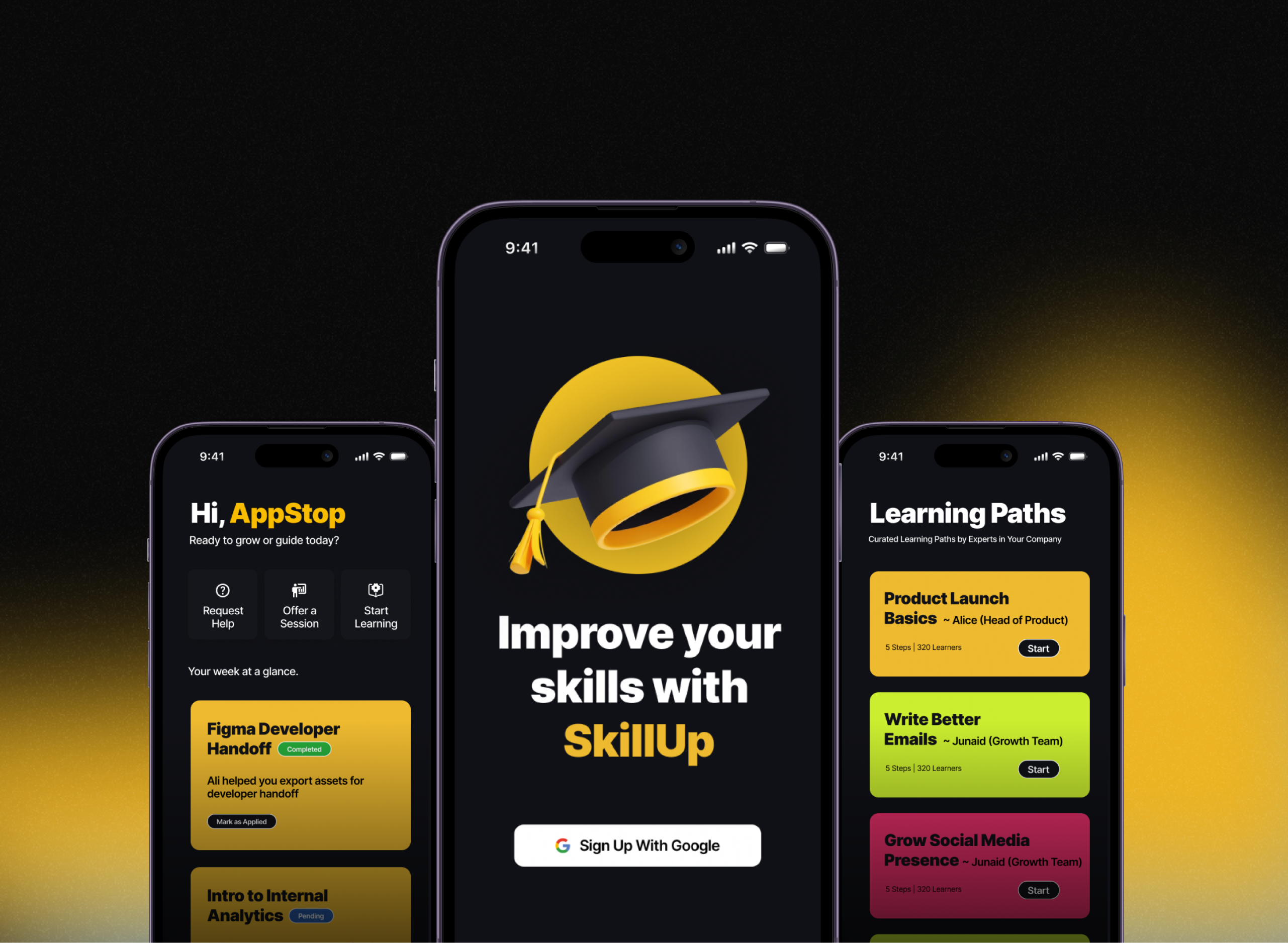
SkillUp - EdTech Platform
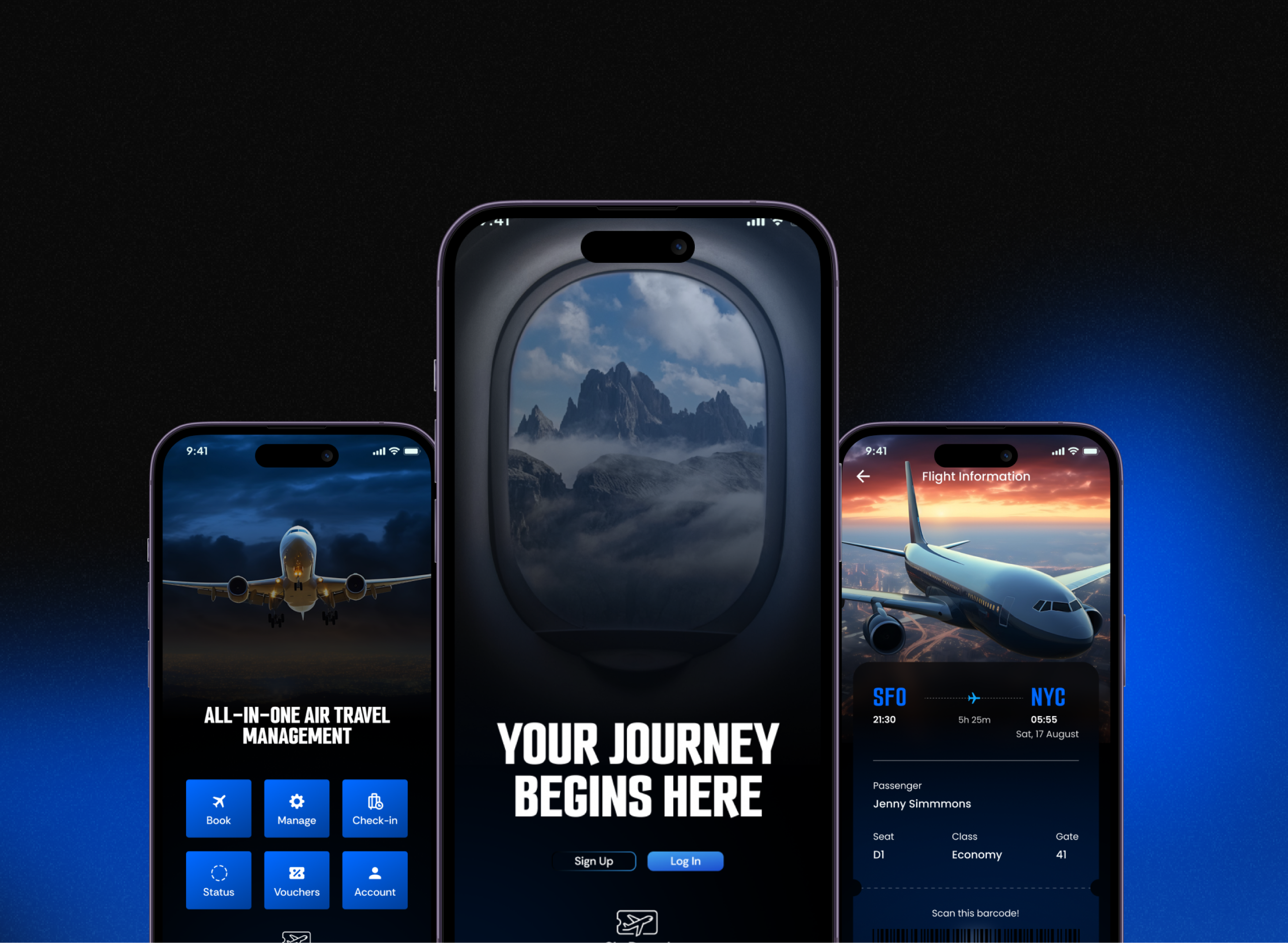
SkyForge - Airline Booking
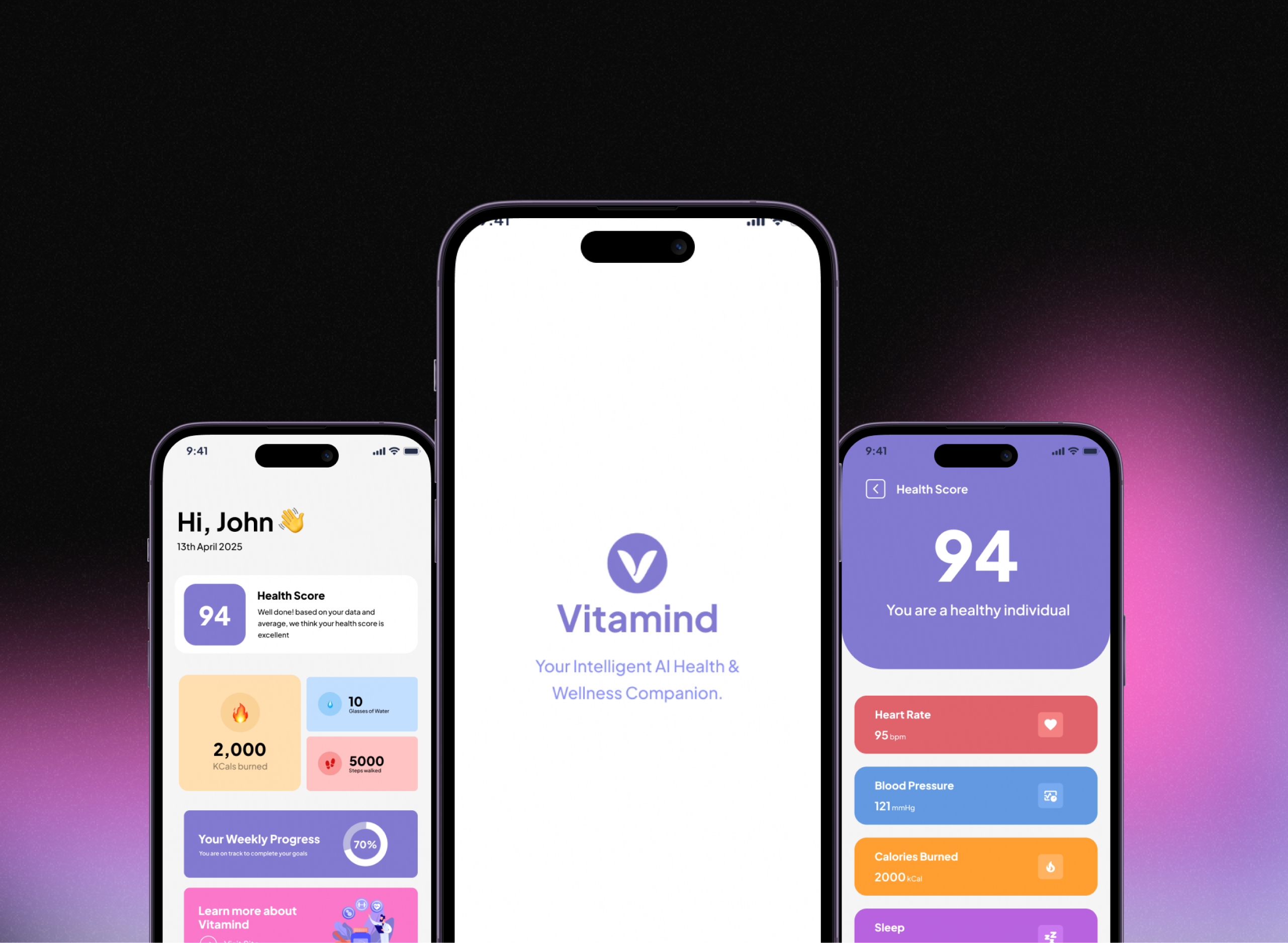
Vitamind - Health and Wellness
Spellbound - AR Experience
AetherAI - Personal Assistant
Synapse - Surgical Planning
CipherDrop - Encrypted File Sharing
Pact - Freelance Marketplace
Tesseract - Secure Finance
SkillUp - EdTech Platform
SkyForge - Airline Booking
Vitamind - Health and Wellness
Spellbound - AR Experience
AetherAI - Personal Assistant
Synapse - Surgical Planning
CipherDrop - Encrypted File Sharing
Pact - Freelance Marketplace
Tesseract - Secure Finance
SkillUp - EdTech Platform
SkyForge - Airline Booking
Vitamind - Health and Wellness
Spellbound - AR Experience

FAQ

Frequently Asked Questions

Do you build for phones, tablets, and headsets?+

All three. Mobile AR on iOS and Android via ARKit and ARCore covers the broadest user base. Browser-accessible WebXR experiences remove the install barrier for campaigns or one-time activations. Native visionOS apps for Apple Vision Pro target the spatial computing use cases where full immersion and hand/eye tracking add genuine value. We recommend the right platform based on where your users are and what level of interaction your experience actually needs.

Can you work with our existing 3D assets and brand guidelines?+

Yes — and this is one of the most common starting points. We import existing 3D models (GLTF, OBJ, FBX, USDZ), adapt them for real-time rendering on mobile hardware, and build the spatial interaction layer on top. If assets aren't optimised for AR (high polygon counts, missing LODs, incorrect scale), we'll flag it early and handle the optimisation pass as part of the project scope.

How do you keep spatial experiences easy to use?+

By designing interaction cues, visual affordances, and spatial onboarding as core product problems from the very first wireframe. In spatial computing there's no screen edge, no back button, and no familiar tap-based UI to fall back on — which means every interaction mechanic has to teach itself. We prototype spatial interactions early, test them with people who have never used AR before, and iterate until the experience is navigable without instruction.

How do you handle AR apps that need to work in unpredictable environments?+

We test in the actual environments from early in the build — not just in the office. For Lumen, that meant industrial facilities with reflective floors, moving equipment, and variable lighting. For consumer AR, it means outdoor spaces, retail environments, and living rooms. We build fallback states for tracking loss, calibration flows for poor-lighting conditions, and graceful degradation paths so users aren't left staring at a broken experience when conditions aren't ideal. Real-world robustness is an engineering requirement, not a QA afterthought.

Should we build for Apple Vision Pro now or wait?+

It depends on your audience and use case. Vision Pro's current install base is small but the users who have it are highly engaged and represent enterprise, creative, and early-adopter segments that are disproportionately valuable for certain products. If your use case genuinely benefits from full spatial immersion — surgical planning, remote industrial assistance, high-end retail — building natively for visionOS now gives you a credibility advantage and a head start on the learning curve before the hardware reaches mainstream. If your primary audience is on iPhone and your AR features work well there, extending to Vision Pro later via RealityKit is a straightforward path. We'll give you an honest recommendation based on your specific product and timeline.

Claim a $799 Consultation, on Us!

Let's build an app
Your Users Will Love

  • Expect a response from us within 24 hours
  • We're happy to sign an NDA upon request.
  • Get access to a team of dedicated product specialists.